Irrigation
Installing a Drip Irrigation System on a Balcony
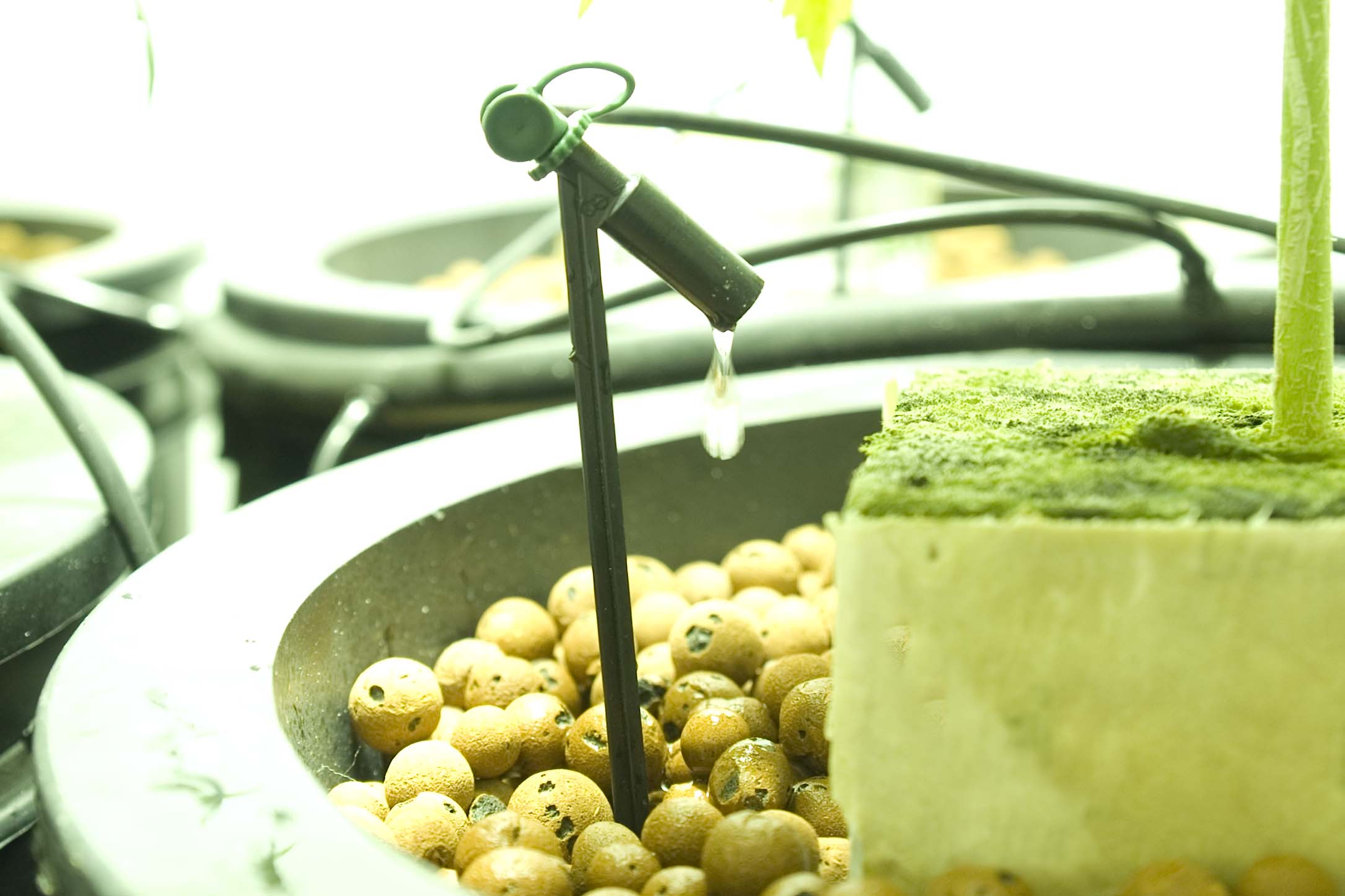
A drip irrigation system for a balcony is a practical way to maintain consistent substrate moisture without manual watering. On south- or west-facing balconies in Polish cities, containers can dry out within 24 to 36 hours during July heat waves — a situation that drip irrigation addresses without requiring daily attention from the gardener.
The fundamental principle is straightforward: low-pressure water moves through a main distribution tube and reaches individual containers through narrower spaghetti tubing, each terminating in an emitter that releases water at a measured rate directly onto the substrate surface. The flow rate is low enough that water is absorbed as it is delivered, avoiding overflow.
Components of a Balcony Drip System
A basic balcony drip irrigation setup consists of the following components:
- Water source connection. Most balcony systems connect to an outdoor tap (zawór ogrodowy) via a standard garden hose fitting. In Polish blok housing, outdoor taps on balconies are uncommon, and the connection typically runs from a kitchen or bathroom tap using an adaptor. Alternatively, gravity-fed bucket or barrel systems operate without mains pressure.
- Timer (optional but recommended). Battery-powered irrigation timers attach directly to the tap and allow watering schedules to run without manual intervention. Timer reliability varies by model; units intended for outdoor use with UV-resistant housing perform better through a full Polish summer than indoor-rated alternatives.
- Pressure regulator. Mains water pressure in Polish apartments ranges from approximately 2 to 5 bar, which is higher than most drip emitters are rated for. A pressure regulator (typically set at 1–1.5 bar) prevents emitters from operating out of specification and reduces the risk of fitting failures.
- Filter. A mesh filter before the main distribution tube catches particulates that would block emitters. A 130–155 mesh filter is standard for drip systems.
- Main distribution tube. A 13 mm (half-inch) main tube runs from the water source to the growing area. On a typical balcony, this tube is 1–3 metres in length.
- Spaghetti tubing and emitters. 4 mm micro-tubes branch from the main line to each container. Adjustable emitters allow flow rates to be set individually — useful when containers of different sizes share the same system.
- Stakes. Small stakes hold the emitter in place in the container substrate.
Selecting Emitter Flow Rates
Emitters are rated by flow rate, typically in litres per hour (l/h). Common ratings are 1 l/h, 2 l/h, 4 l/h, and 8 l/h. The appropriate rate depends on container size and substrate type:
- Small containers (under 5 litres): 1–2 l/h emitter for 15–20 minutes per day during summer
- Medium containers (5–20 litres): 2–4 l/h emitter for 20–30 minutes per day
- Large containers (over 20 litres): 4 l/h or two 2 l/h emitters per container
These are starting points. Substrate composition, sun exposure, plant species, and temperature all affect actual water need. The practical test is to observe substrate moisture at 5 cm depth the morning after an evening irrigation cycle: if it is saturated, reduce duration; if it is dry, increase it.
Layout Considerations for a Balcony
Routing tubing on a balcony requires some planning to avoid trip hazards and to reach containers positioned at different distances from the water source. Common approaches include:
- Running the main tube along the base of the parapet or wall, secured with adhesive clips
- Using a manifold (multiple-outlet connector) near the water source to branch to different container groups
- Keeping all spaghetti tubes equal in length when possible — unequal lengths produce unequal flow due to friction variation
When the system uses a gravity-fed reservoir rather than mains pressure, the reservoir should be positioned at least 1–1.5 metres above the emitters for adequate flow. A standard 25-litre bucket on a shelf can supply a small balcony system for one or two days.
Seasonal Start-Up and Winterisation
In Poland, drip systems are typically installed in May after the last frost risk and removed in September before night temperatures fall consistently below 5 °C. The main considerations are:
- Start-up. Flush the system by running it without emitters in place to clear any debris from the previous season. Check all fittings for UV degradation — plastic becomes brittle after repeated summer seasons and connections may fail under mains pressure.
- During the season. Check emitters monthly by observing whether all containers receive water during a cycle. Blocked emitters are common in areas with hard water; soaking them in a dilute vinegar solution dissolves mineral deposits.
- Winterisation. Drain all tubing completely before storage. Residual water that freezes inside fittings cracks them. Store components indoors to extend service life.
Hard Water in Polish Cities
Water hardness varies substantially across Poland. Warsaw's municipal water supply has historically been moderately hard (around 150–250 mg/l as CaCO₃), while some southern regions draw from harder sources. Hard water deposits calcium carbonate in drip emitters, reducing and eventually blocking flow. Regular maintenance — checking and cleaning emitters — is more important in hard-water areas than in areas with soft supply. The FAO irrigation water quality guidance covers mineral deposition in drip systems in more detail.